Emerald Ash Borer Tree Removal in Springfield & Sangamon County
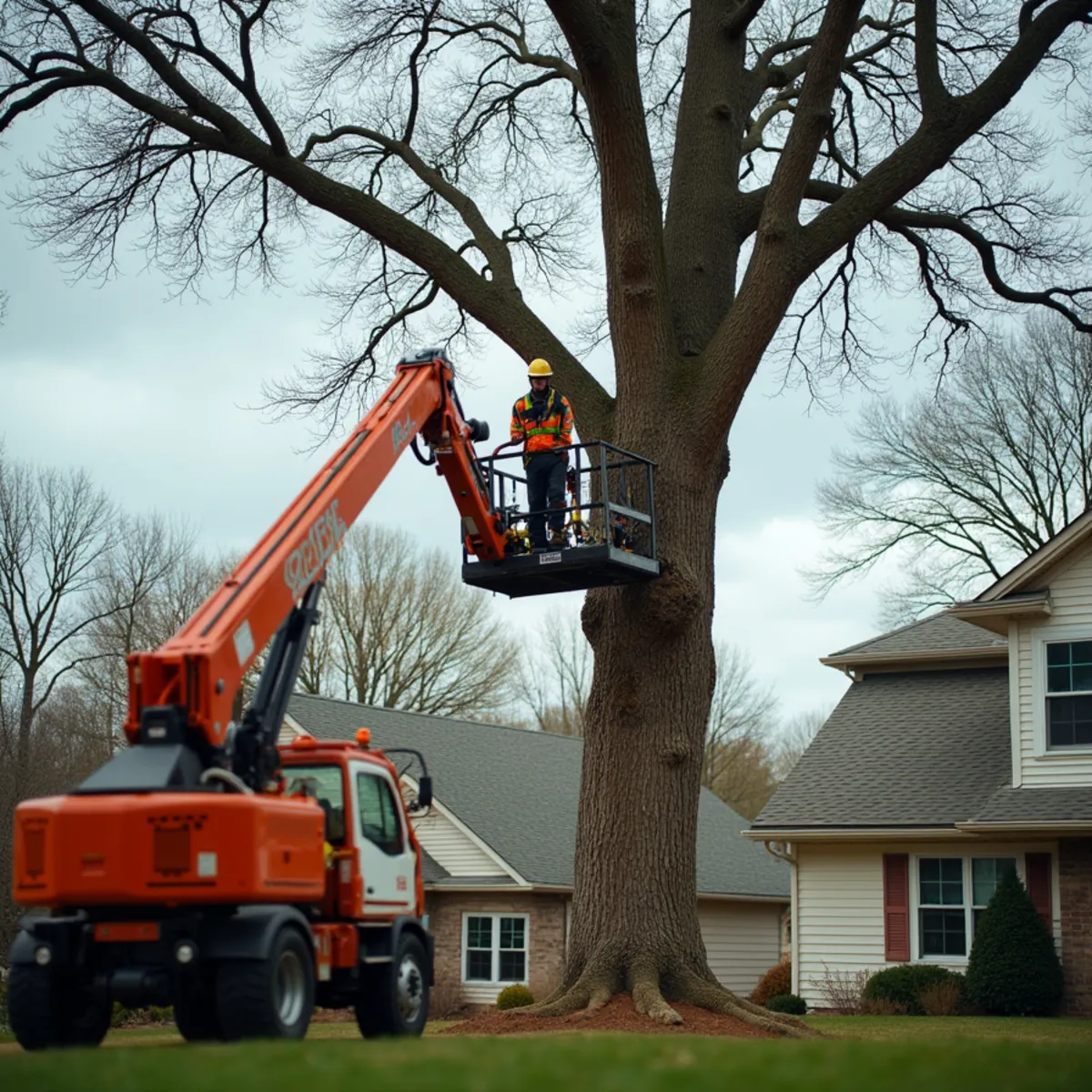
When an emerald ash borer infestation destroys the vascular system of a native hardwood, prompt and specialized ash tree removal in Springfield, IL provides critical protection against sudden limb shedding before internal wood drying renders the tree completely brittle. The emerald ash borer (Agrilus planipennis), an invasive buprestid beetle originating from eastern Asia, has virtually decimated green ash (Fraxinus pennsylvanica), white ash (Fraxinus americana), and black ash across Sangamon County and the central prairie belt. Once infested larvae girdle the tree's sub-cortical tissue, an ash tree can transition from moderate canopy dieback to complete structural death within two to three summer seasons. Our Springfield ash tree dismantling crews operate high-reach dielectric boom trucks, compact mechanical track elevators, and high-horsepower stump grinders to dismantle dangerous, brittle ash specimens while guaranteeing worker welfare above all.
Throughout Sangamon subdivisions in Chatham, Lincoln, and rural Sherman, mature ash trees once served as primary parkway and shade trees. Today, standing dead ash skeletons represent severe structural liabilities: unlike sound oaks or maples that decay slowly from fungal rotting, borer-killed ash timber loses internal moisture almost instantaneously, resulting in severe wood fiber desiccation. Limbs and structural branch junctions can snap instantaneously under human foot pressure or light gusts. Our fully certified arborists provide rapid on-site infestation diagnostic evaluations, safe aerial extraction, complete below-grade stump grinding, and compliant timber disposal across Sangamon County.
Need Professional Ash Tree Removal (Emerald Ash Borer) in Springfield?
Call our dispatch team at (858) 780-5212 for rapid callbacks and transparent, upfront written quotes.
The Biology of Emerald Ash Borer: How Larvae Destroy Ash Heartwood
Understanding the destructive biology of Agrilus planipennis explains why structural degradation happens with such devastating speed:
- Oviposition & Sub-Bark Hatching:Adult metallic-green beetles lay eggs in bark crevices between late May and August. Upon hatching, microscopic larvae bore directly through the outer cork into the delicate cambial zone.
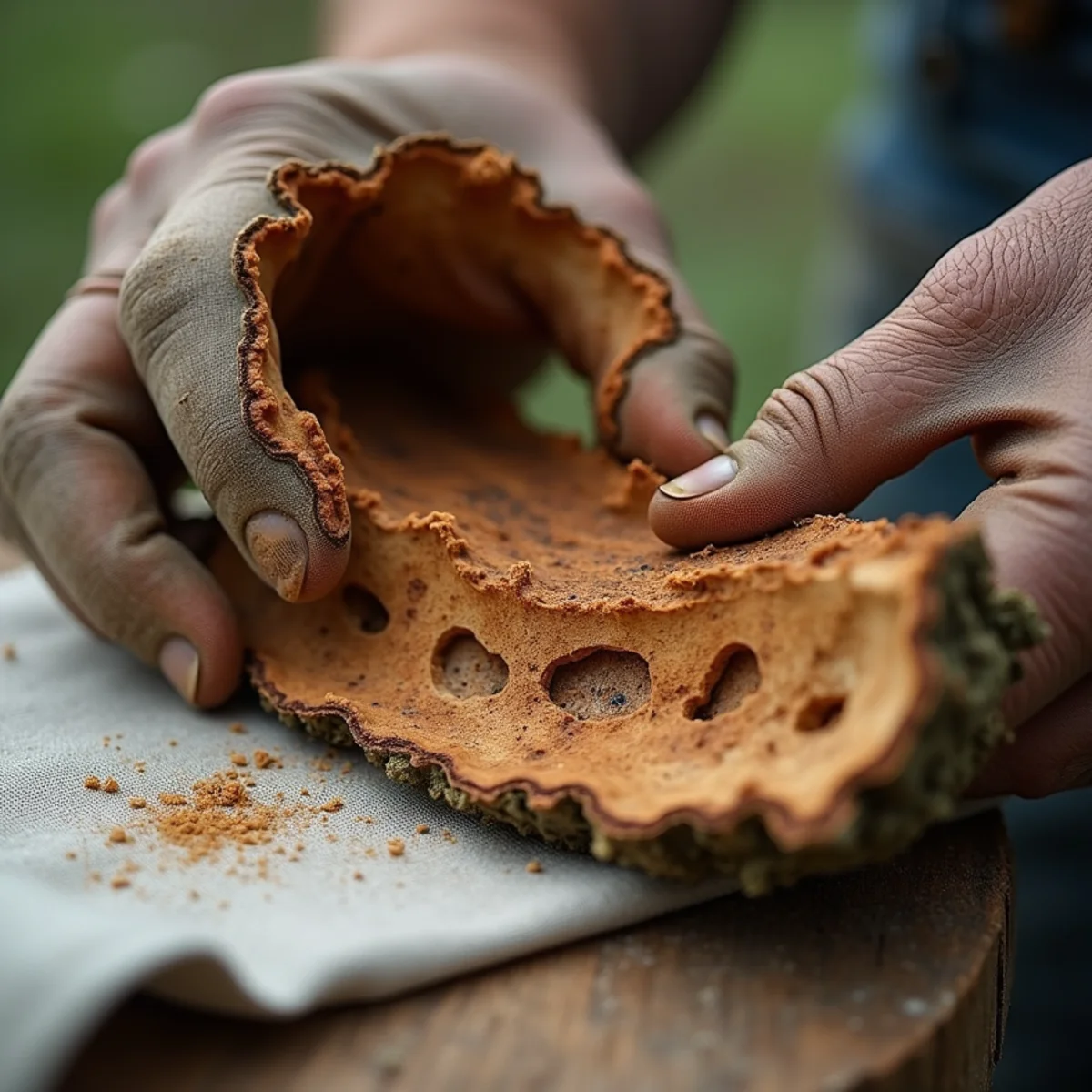
- Serpentine Phloem Girdling:Larvae feed voraciously on the phloem and outer xylem, chewing dense, S-shaped serpentine galleries packed with fine sawdust-like frass. These galleries effectively sever the tree's bidirectional circulatory system, starving roots of photosynthetic sugars and crowns of water.
- Rapid Wood Fiber Desiccation:As vascular flow halts, the internal moisture content of the wood drops from 60–80% down to under 20% in months. Without moisture, the lignin and cellulose fibers lose tensile pliability, transforming elastic hardwood into chalk-like, brittle timber.
- Four-Stage Larval Instars:A single mature ash tree can host tens of thousands of feeding larvae simultaneously, creating cumulative girdle lines that completely ring the trunk circumference.
Identifying EAB Infestation: Exit Holes, Canopy Dieback & Epicormic Shoots
Homeowners can identify active emerald ash borer activity through hallmark visual symptoms before total structural collapse occurs:
- Canopy Dieback from Crown Tip Downward:The earliest visible indicator is crown thinning, typically beginning at the topmost branch tips as water fails to reach the upper canopy extremities.
- Distinctive D-Shaped Exit Holes:When adult beetles emerge in late spring, they chew through the outer bark, leaving sharply defined 1/8-inch D-shaped exit holes with one flat edge and one curved margin.
- Vertical Trunk Bark Splits:Larval feeding pressure causes external bark to crack vertically, revealing the winding, frass-packed feeding tunnels underneath.
- Prolific Epicormic Shoots (Water Sprouts):In a desperate survival response, the starving tree produces dense clusters of suckering foliage along the lower trunk and root flare.
- Woodpecker Flecking & Blonding:Native woodpeckers aggressively chip off outer gray bark layers to feed on overwintering larvae, creating conspicuous pale 'blonded' patches across the upper trunk.
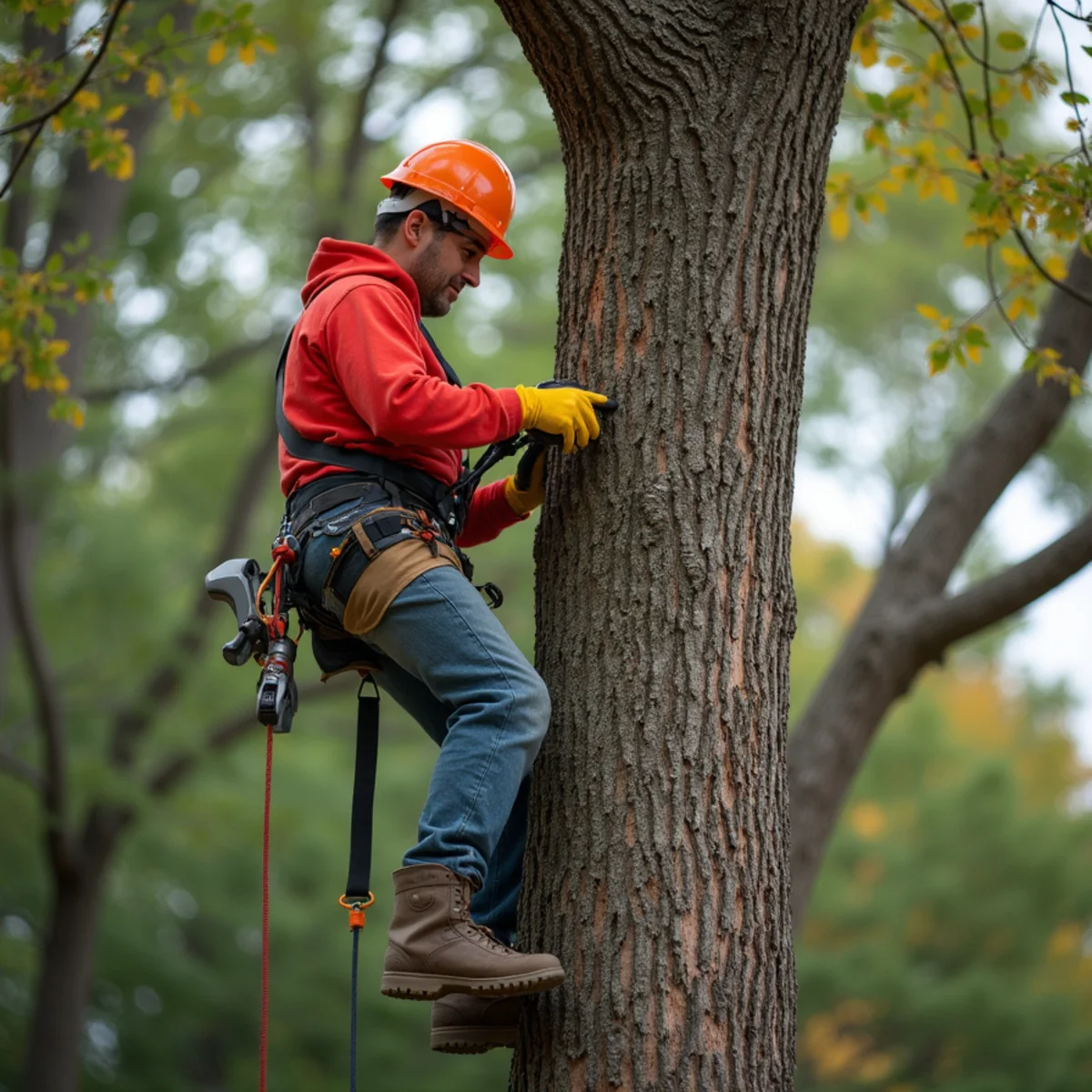
Why Dead Ash Trees Are Dangerously Brittle & Must Not Be Climbed
In the tree care industry, dead ash trees are widely recognized as one of the single most hazardous obstacles facing professional arborists:
- The Catastrophic 'Ash Snap' Phenomenon:Desiccated ash wood undergoes sudden brittle failure without the gradual creaking or splintering typical of green wood. Heavy limb unions can shear cleanly at the trunk under negligible lateral loads.
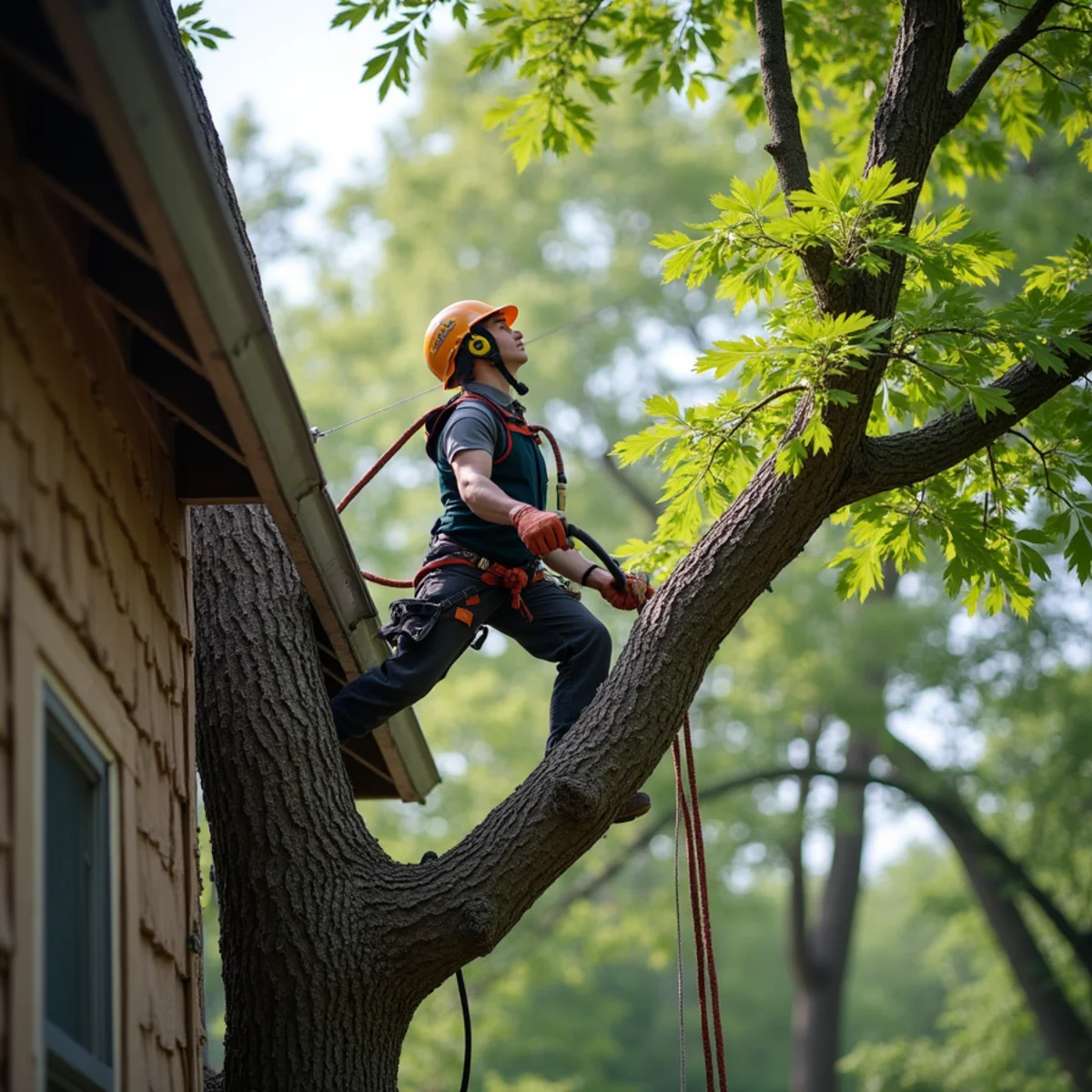
- Strict Prohibition on Manual Climbing Anchors:Arboricultural safety standards prohibit climbers from tying into branches of dead ash trees. Climbers cannot rely on crotches to support dynamic rigging lines or body weight.
- External Aerial Bucket Access:We utilize 60- to 75-foot heavy-duty insulated aerial bucket trucks staged from street pavements or driveways, allowing our saw operators to dismantle timber without setting foot on the tree.
- Compact Tracked Spider Lifts for Rear Yards:In enclosed backyards inaccessible to bucket trucks, we deploy compact rubber-tracked aerial spider lifts that fit through standard 36-inch gates, deploying wide stabilizing outriggers on lawn protection boards.
- Overhead Crane Rigging for High-Risk Specimens:Where trees hover directly over house roofs, mobile telescoping cranes hoist cut sections vertically away to eliminate all ground impact.
Treat vs. Remove: When Chemical Insecticide Injections Are Too Late
Homeowners frequently inquire whether declining ash trees can be preserved through chemical arboricultural treatments:
- The 30% Canopy Dieback Rule:Systemic trunk micro-injections of emamectin benzoate (such as TREE-äge) administered by licensed pesticide applicators are highly effective at protecting healthy ash trees or specimens with less than 25–30% canopy dieback.
- Vascular Failure Beyond the Threshold:Once an ash tree loses more than one-third of its canopy, internal vascular channels are too damaged to transport injected systemic chemicals upward to the foliage. At this point, chemical treatment will fail, and full tree removal is the only responsible option.
- Economic Cost-Benefit Realities:Ongoing biennial trunk injections require recurring financial investments every two years indefinitely. For compromised or poorly situated trees, investing in full removal and replanting a diverse native shade species (such as swamp white oak or sugar maple) provides superior long-term value.
- Illinois Department of Agriculture Regulations:We ensure all ash wood disposal complies with state invasive species transport directives.
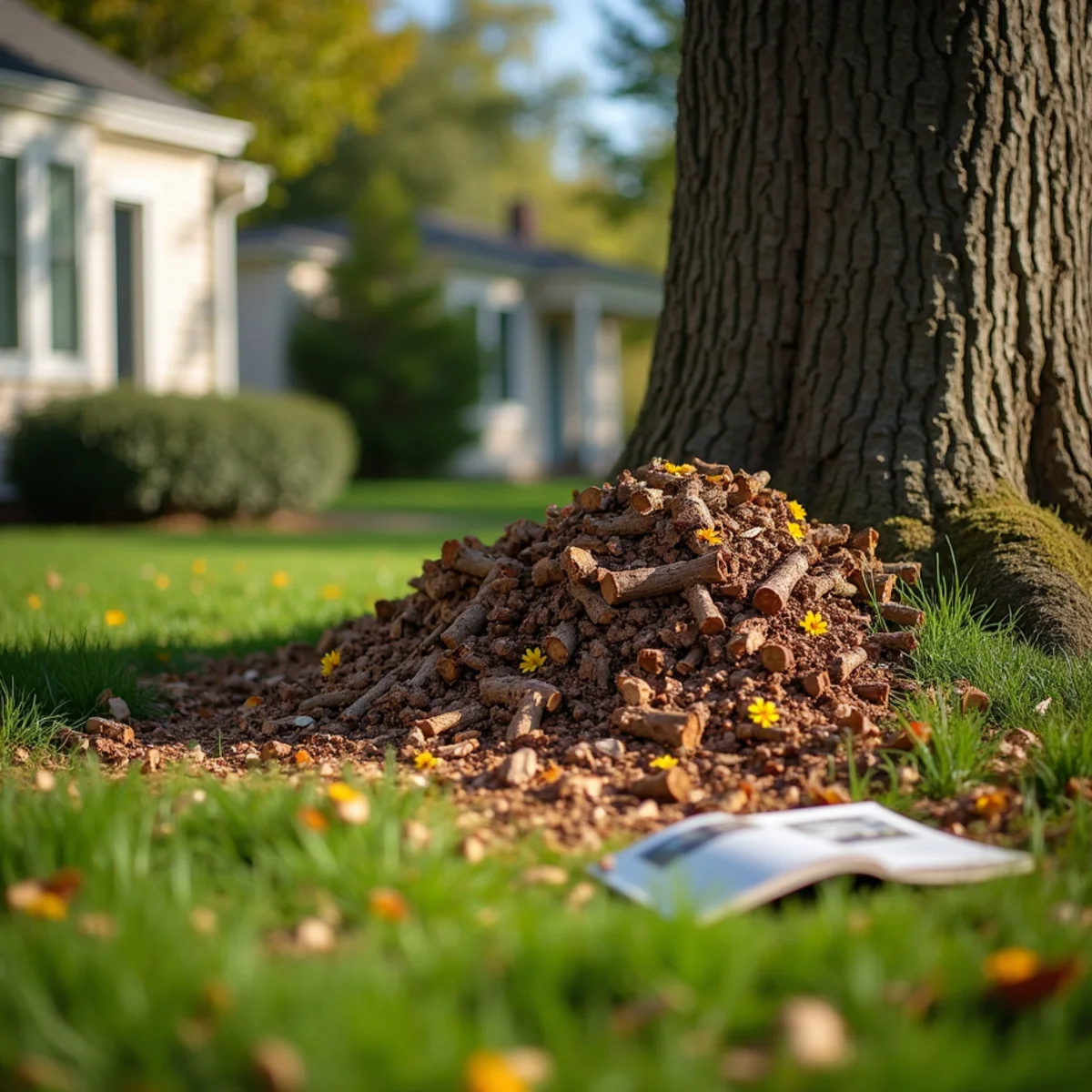
Cost Factors & Safe Disposal for Infested Ash Timber
Pricing for ash tree removal depends on structural decline, yard accessibility, and wood disposal requirements:
- Stage of Structural Decline:Removing a living ash in early decline is significantly less expensive than removing an advanced, desiccated tree that requires crane mobilization due to climbing restrictions.
- Proximity to Power Lines & Homes:Trees entangled with CWLP or Ameren primary distribution wires or overhanging residential gables require specialized friction rigging and utility coordination.
- High-Volume Stump Grinding:Because borer larvae do not colonize subterranean roots, thorough below-grade stump grinding down to 8 to 12 inches completely eradicates the remaining stump while preparing the lawn for turf grass.
- Wood Chipping & Safe Mulch Processing:We process infested timber through commercial industrial wood chippers; chipping branches to chips smaller than one inch effectively destroys remaining larvae and pupae.
- Central Illinois Coverage:We provide certified ash tree removals across Springfield, Chatham, Sherman, Rochester, Riverton, Leland Grove, Jerome, Grandview, Southern View, Williamsville, Auburn, Pawnee, and Decatur.
Frequently Asked Questions About Springfield Ash Tree Removal
Look for crown dieback starting at the top, distinct 1/8-inch D-shaped exit holes on trunk bark, vertical bark splits showing winding larval tracks underneath, heavy woodpecker feeding that creates blond bark patches, and dense sucker sprouts growing near the base of the trunk.