
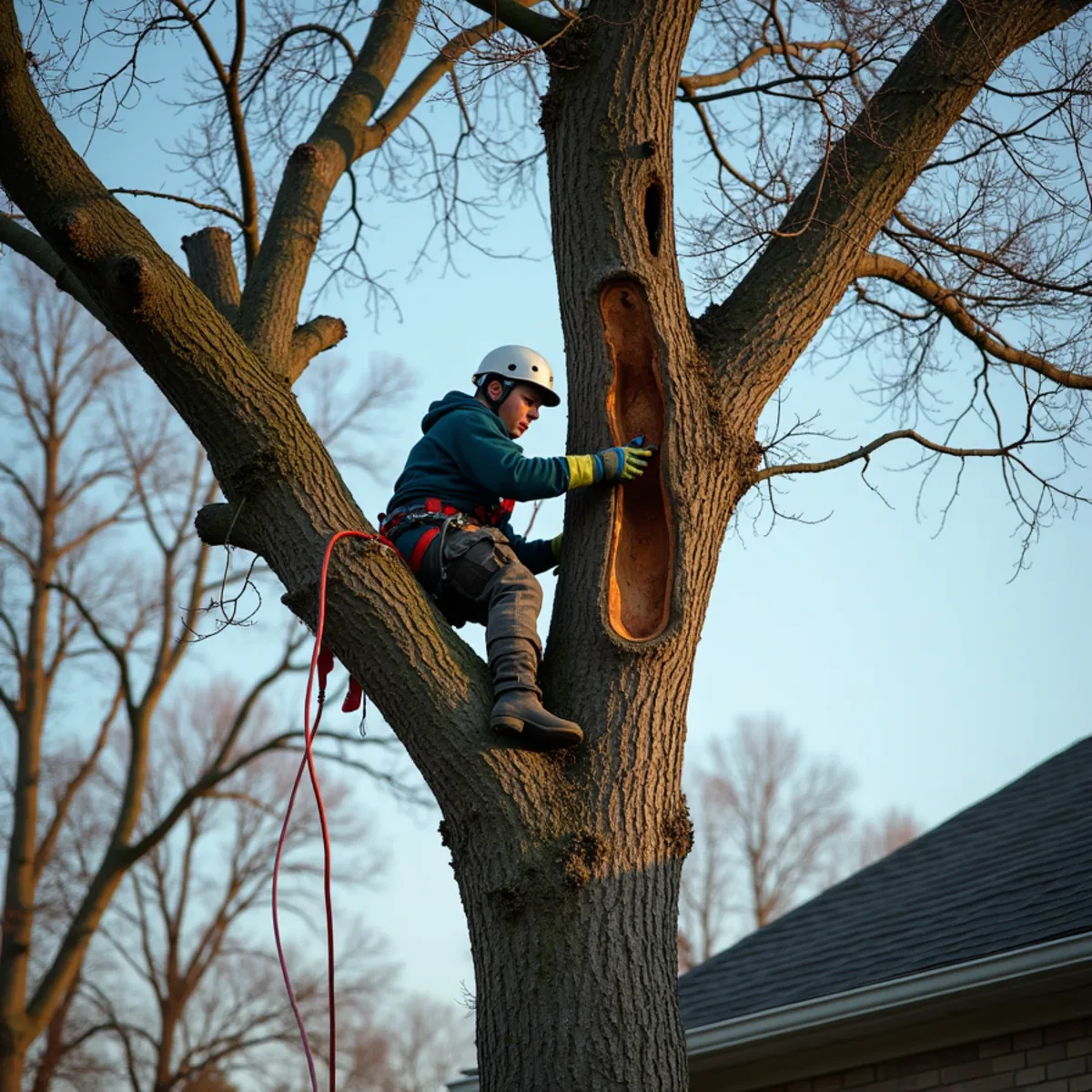
Hazardous & Dead Tree Removal Across Springfield & Sangamon County
When a compromised hardwood threatens residential structures, outdoor living spaces, or public pathways, expert dead tree removal in Springfield, IL is crucial to neutralize structural failure risks before the next convective thunderstorm or winter blizzard strikes. Standing dead, rotted, hollowed, or severely leaning timber represents a ticking countdown clock in Central Illinois residential neighborhoods: as heartwood cellular lignin decomposes, internal wood fibers lose their tensile modulus and natural dampening elasticity, becoming exceedingly brittle and prone to unheralded catastrophic fracture. Our Springfield hazardous tree dismantling specialists utilize ISA Tree Risk Assessment Qualified (TRAQ) methodologies, articulating spider lifts, aerial bucket platforms, and high-capacity mobile cranes to safely disassemble dangerous timber in close quarters.
The urban canopy across Springfield, Jerome, Leland Grove, and broader Sangamon County features substantial numbers of aging green ash, declining silver maples, post oaks, and Siberian elms reaching biological senescence or succumbing to pathogen pressures. In Illinois clay soils, root anchorage degrades rapidly once vascular sap transport ceases, allowing moderate 40 mph gusts to induce total root-plate pivot. Our fully insured arborists execute systematic site hazard assessments, identifying target strikes, establishing strict ground drop perimeters, and dismantling structurally unsound trees piece by piece with zero impact on surrounding landscaping or adjacent buildings.
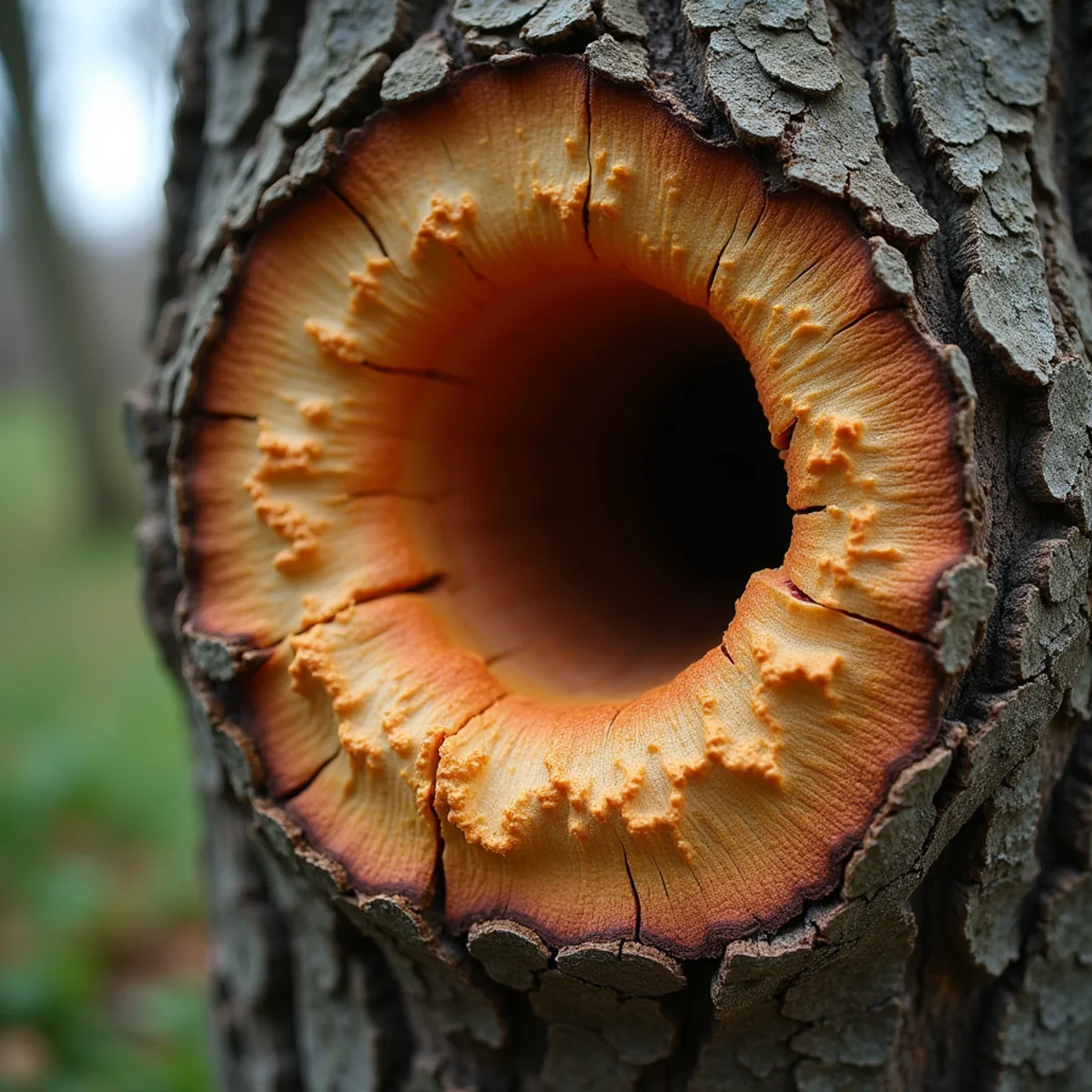
Need Professional Hazardous & Dead Tree Removal in Springfield?
Call our dispatch team at (858) 780-5212 for rapid callbacks and transparent, upfront written quotes.
ISA Tree Risk Assessment (TRAQ) Guidelines: Evaluating Target Probability
Arboricultural hazard evaluation follows standardized International Society of Arboriculture (ISA) TRAQ protocols, analyzing three interrelated variables:
- Failure Probability:We examine the physical condition of the tree, determining whether failure of a specific branch, co-dominant stem, or main trunk is improbable, possible, probable, or imminent within a defined inspection window.
- Target Impact Likelihood:A structurally defective tree in a dense 10-acre woodlot poses minimal real-world hazard because targets are nonexistent. Conversely, the exact same dead limb hovering directly over a child's bedroom, vehicle driveway, or pedestrian sidewalk represents extreme target probability.
- Severity of Impact Consequences:We calculate potential structural damage, financial liability, and life-safety consequences if timber strikes target zones, categorizing outcomes from minor surface scuffs to catastrophic structural crushing.
- Overall Risk Rating Synthesis:Combining failure likelihood, target exposure frequency, and consequence severity yields an actionable risk classification (Low, Moderate, High, or Extreme) that informs whether emergency extraction or scheduled removal is indicated.
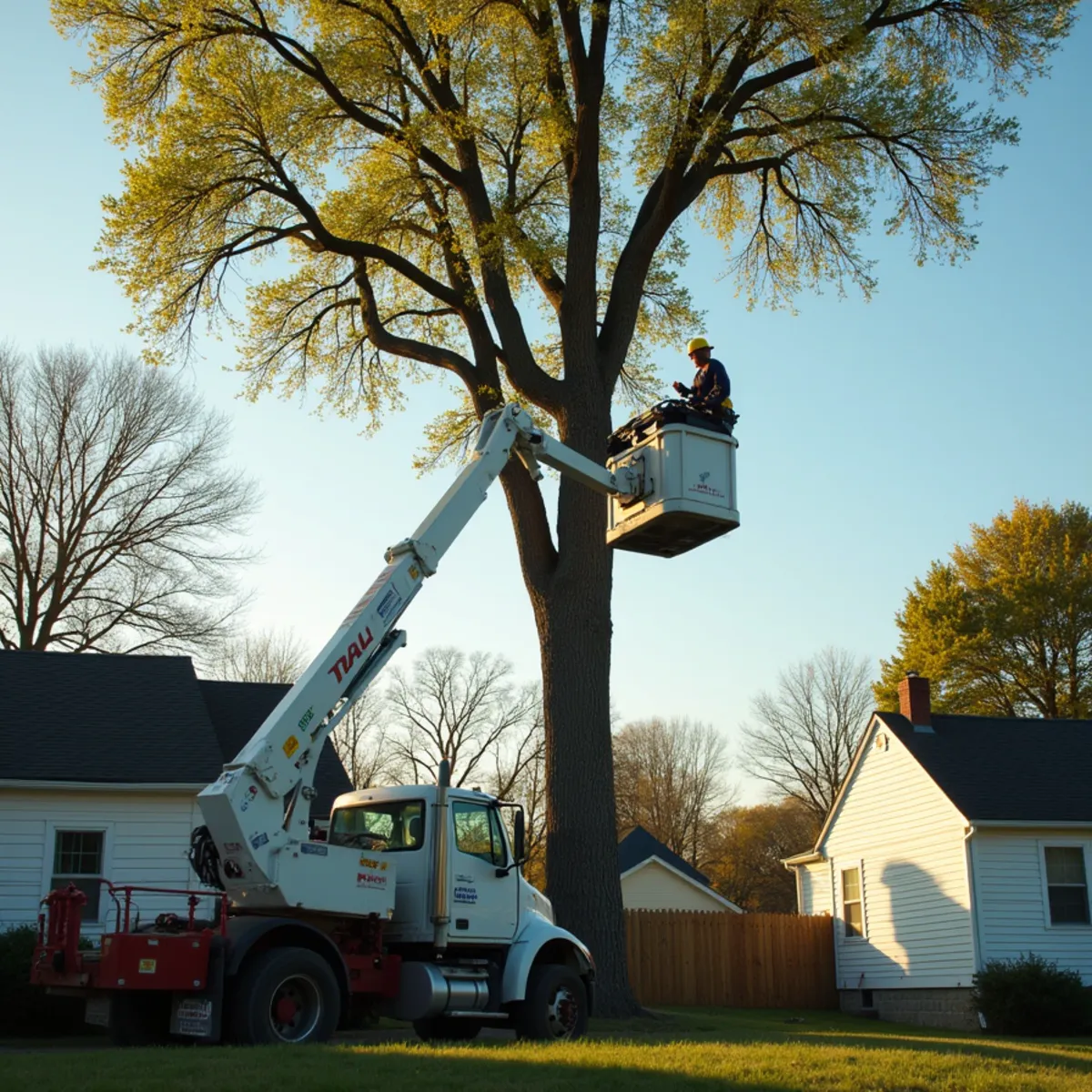
Common Structural Tree Defects in Central Illinois: Cavities, Cracks & Conks
Decay organisms and mechanical stress create specific diagnostic indicators that signal internal structural deterioration:
- Fruiting Fungal Conks & Bracket Mushrooms:The appearance of Ganoderma, Inonotus, or Trametes conks along trunk bases or root flares confirms active white-rot or brown-rot basidiomycete fungi digesting structural cellulose and lignin from within.
- Longitudinal Trunk Cracks & Frost Ribs:Deep vertical fissures penetrating through the bark into sapwood indicate shear stress failure along internal grain planes, often aggravated by repeated Midwestern freeze-thaw cycles.
- Included Bark in Co-Dominant Stems:Trees with narrow 'V-shaped' branch junctions lack connective wood bridging. As both stems thicken, bark is pinched between them, creating a wedge that splits open under storm loading.
- Basal Cavities & Heartwood Hollows:While hollow trees can remain standing if the outer shell of sound wood exceeds one-third of the trunk radius, hollows paired with basal decay or asymmetrical leans indicate imminent structural compromise.
- Soil Mounding & Windward Root Plate Lift:Soil heaving, freshly cracked turf, or exposed subterranean root spurs on the windward side of a leaning trunk signal acute root plate failure.
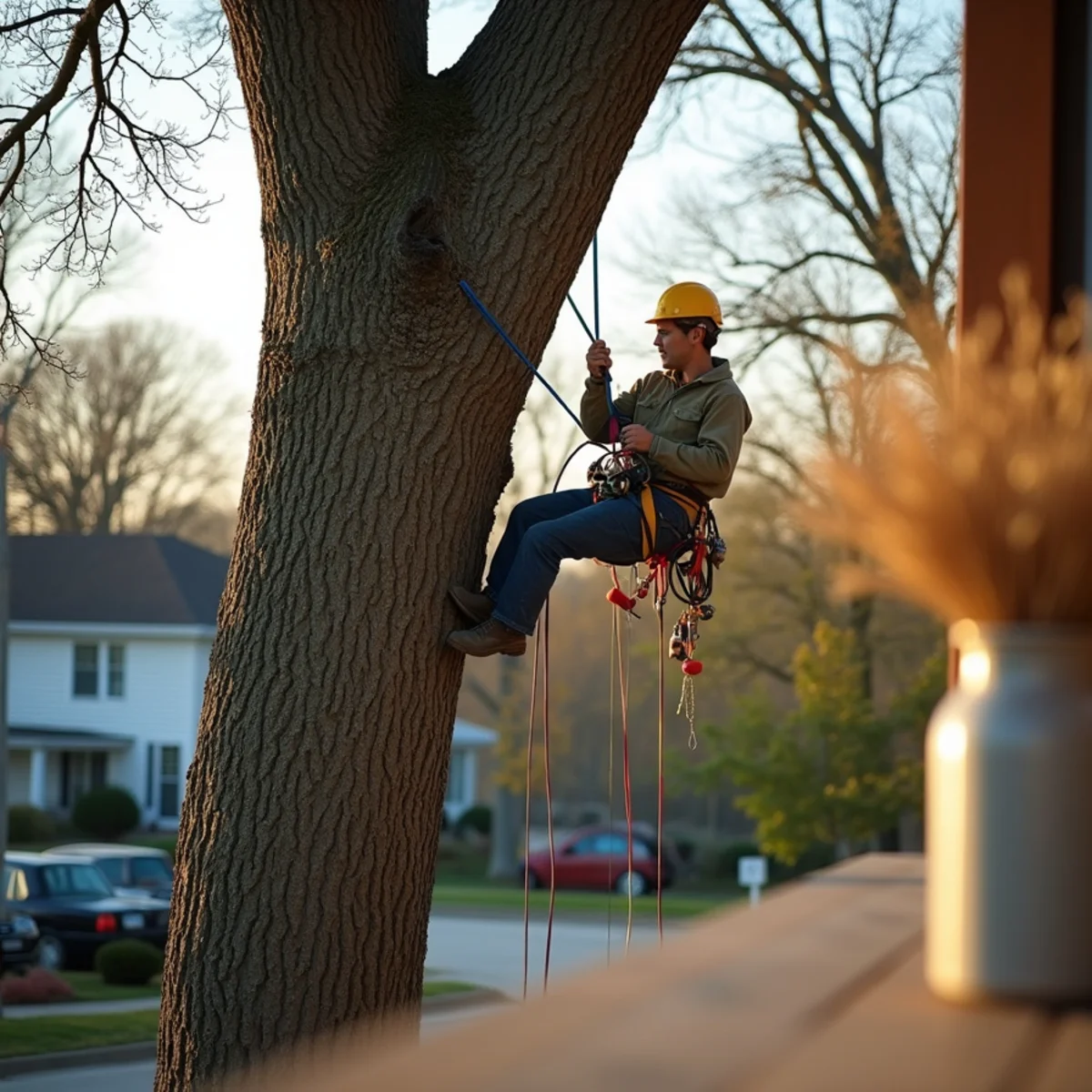
Dismantling Brittle Timber Safely: Avoiding Unstable Climbing Anchors
Dead trees—particularly EAB-killed green ash or desiccated oaks—are notorious in the tree care industry for fatal climbing failures because brittle wood snaps without warning under human weight:
- Eliminating Manual Climber Tie-In Risks:When wood is structurally dead or decayed, climbers cannot trust branch unions to anchor life-safety climbing lines or heavy rigging blocks. Placing a climber into a brittle dead tree violates basic safety protocols.
- Aerial Lift & Bucket Truck Deployment:Our crews utilize insulated aerial bucket trucks with 60- to 75-foot reach to access brittle tree canopies from outside the drop zone, allowing operators to make cuts from the safety of an articulated basket.
- Tracked Articulating Spider Lifts:For fenced backyards or tight residential setbacks inaccessible to large trucks, our 35-inch-wide tracked spider lift navigates standard 36-inch gates, setting outriggers on protective turf mats to provide high-angle access.
- Crane-Assisted Sectional Picks:Where timber is too decayed even for aerial lift maneuvering, we position high-tonnage cranes over the canopy. A crane chokes the section before it is cut, hoisting severed timber directly away into the drop zone with zero dynamic shock-loading.
Proximity Clearances Around Power Lines, Garages & Play Areas
Executing hazardous removals in close residential quarters requires rigorous clearance management and utility coordination:
- Overhead Electrical Demarcation:High-voltage transmission lines require coordinated clearance. Inside Springfield municipal boundaries, City Water, Light & Power (CWLP) manages distribution wires, while rural and suburban Sangamon County is serviced by Ameren Illinois. We verify safe electrical buffer clearances or request utility line dropping before making critical cuts.
- Rigged Drop Zone Perimeters:Ground technicians establish high-visibility safety barriers, excluding non-personnel from the 360-degree swing zone.
- High-Impact Shielding for Hardscapes:We place heavy timber mats and plywood blast panels over air conditioning condensers, patio concrete, septic lids, and decorative landscape curbs to cushion incidental branch drops.
- Street & Traffic Control:When hazardous trees border public sidewalks or municipal roadways, our team provides full safety cone channeling and flagger crews to maintain vehicular flow.
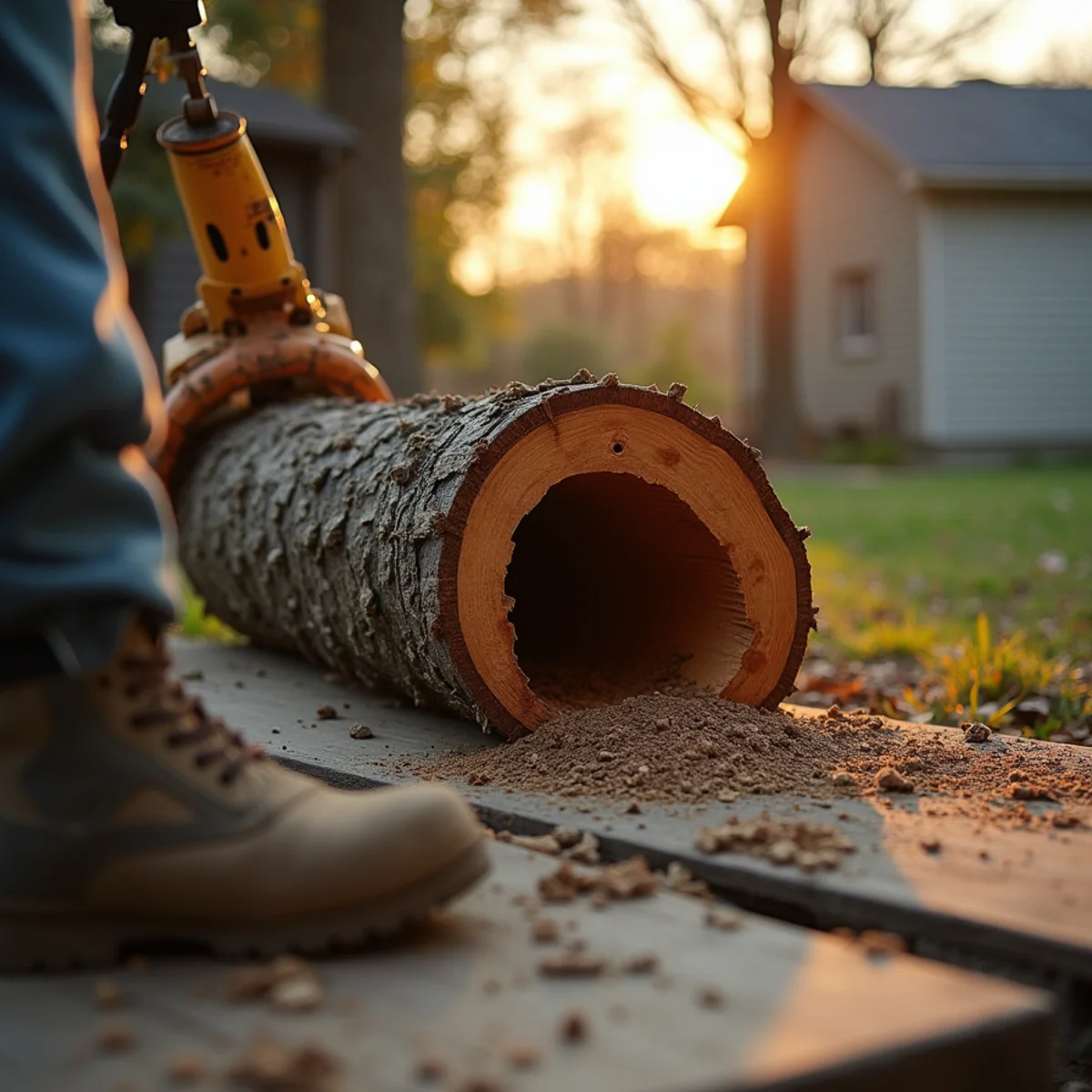
Cost Considerations for Hazardous & High-Risk Tree Takedowns
The investment required for hazardous and dead tree removal reflects technical risk, specialized machinery overhead, and rigging intensity:
- Degree of Biological Decay & Brittleness:A dead tree removed in its first year of decline while wood retains elasticity costs less than an advanced, brittle tree that requires crane mobilization due to climbing prohibitions.
- Equipment Footprint Requirements:Jobs requiring mobile hydraulic cranes, tracked spider lifts, or heavy log loaders involve distinct machine mobilization rates compared to standard rope removals.
- Proximity to Valued Targets:Trees hovering inches from roof eaves, power lines, or glass greenhouses demand surgical rigging with friction-brake devices, extending operational time.
- Stump Grinding & Hauling Scope:Turnkey projects including full stump grinding, chip extraction, and organic debris disposal are priced with transparent line-item clarity.
- Regional Service Areas:We deliver hazardous tree assessments and removals across Springfield, Chatham, Sherman, Rochester, Riverton, Leland Grove, Jerome, Grandview, Southern View, Williamsville, Auburn, Pawnee, and New Berlin.
Frequently Asked Questions About Hazardous & Dead Tree Removal
Key warning indicators include fresh longitudinal trunk cracks, mounding or lifted soil on the side opposite a lean, mushroom bracket fungi (conks) fruiting at the base, and dying upper branches shedding bark. If a tree suddenly leans after heavy rainfall, immediate arboricultural evaluation is mandatory.