The 50 Percent Canopy Rule: Can the Tree Still Photosynthesize?
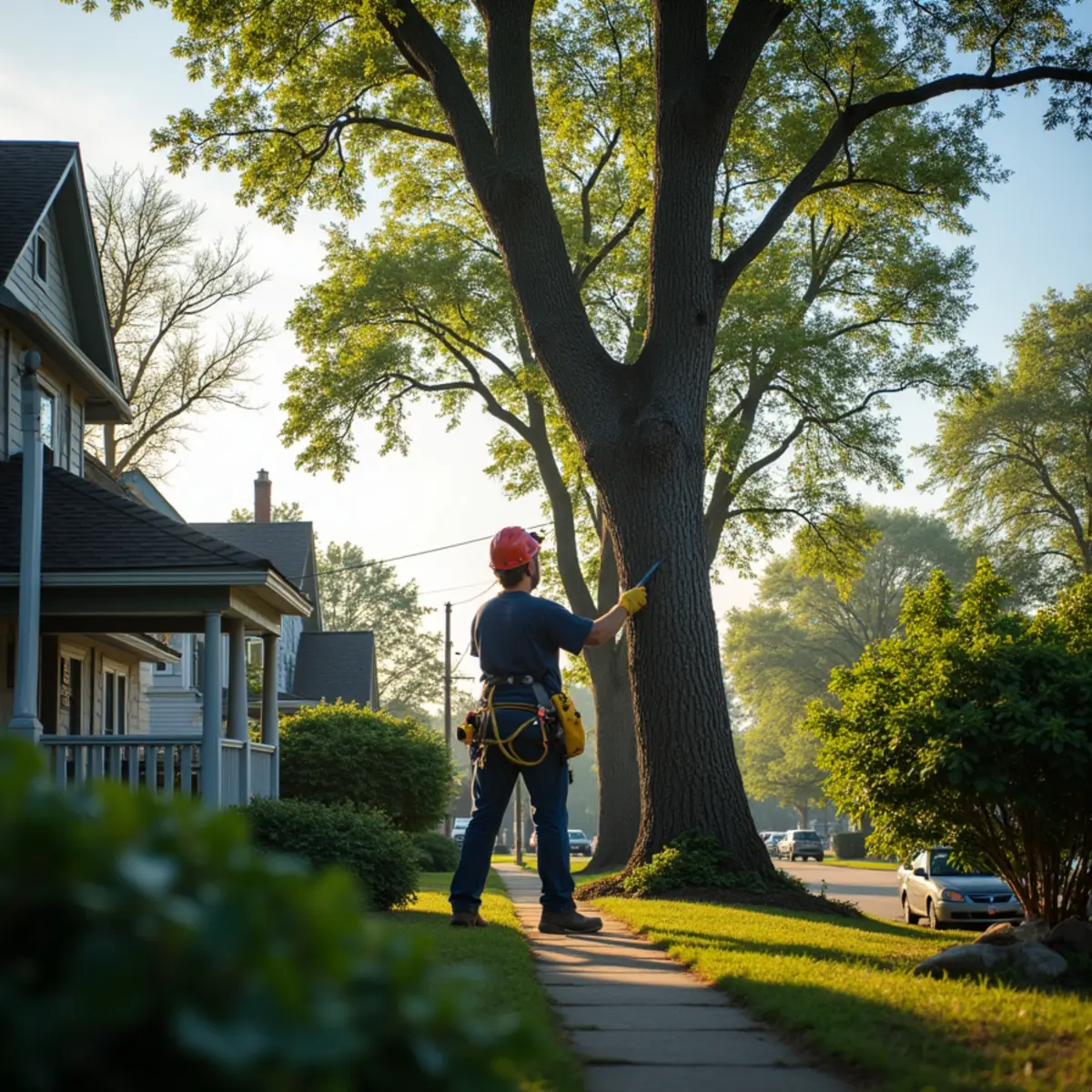
In the wake of severe Central Illinois thunderstorms, high-wind microbursts, or destructive winter ice glaze, property owners throughout Springfield, Chatham, and Rochester are often left staring at heavily damaged yard trees. A beloved mature shade tree that took forty years to grow can lose half its branches in a matter of minutes. Homeowners face a difficult and emotional dilemma: can the tree be safely saved through restorative arboricultural care, or has it become a dangerous hazard that must be removed? When a mature shade tree suffers catastrophic storm damage, property owners must weigh restorative potential against long-term liability and safety risks.
Trunk Integrity: Splits, Twist Fractures and Heartwood Exposure
The primary diagnostic threshold used by ISA Certified Arborists is the '50 percent canopy rule.' A tree relies on its living foliage to produce carbohydrates through photosynthesis, fueling root growth and defensive chemical compartmentalization against wood-decay fungi. If a storm strips away more than 50 percent of a tree's healthy green crown, the specimen will struggle to generate sufficient energy to survive. While young, vigorous trees may occasionally recover from severe canopy loss, mature specimens typically experience gradual decline, epicormic sprout decline, and secondary pathogen attack. Trees that lose more than half their active foliage struggle to manufacture carbohydrates, leading to progressive root starvation, vascular decline, and fungal infestation.
Need Professional Advice for Your Trees?
Call our local dispatch desk at (858) 780-5212. We provide prompt on-site evaluations across Springfield and Sangamon County.
Evaluating Branch Union Tears and Large Scaffold Limb Loss
The condition of the main trunk and primary stem unions is the next decisive factor. If the trunk has suffered a vertical fracture, a twist split from rotational wind shear, or an open longitudinal crack through the main crotch, the tree's structural integrity is permanently compromised. While arborists can install supplemental steel through-bolts and Cobra dynamic cabling in select candidate trees, deep structural trunk splits overhanging homes or public roadways usually necessitate complete removal. Vertical trunk fractures and split crotches severely undermine structural stability, making complete removal necessary when damaged trees stand within striking distance of homes.
Species Resilience: Why Oaks Recover While Soft Maples Fail
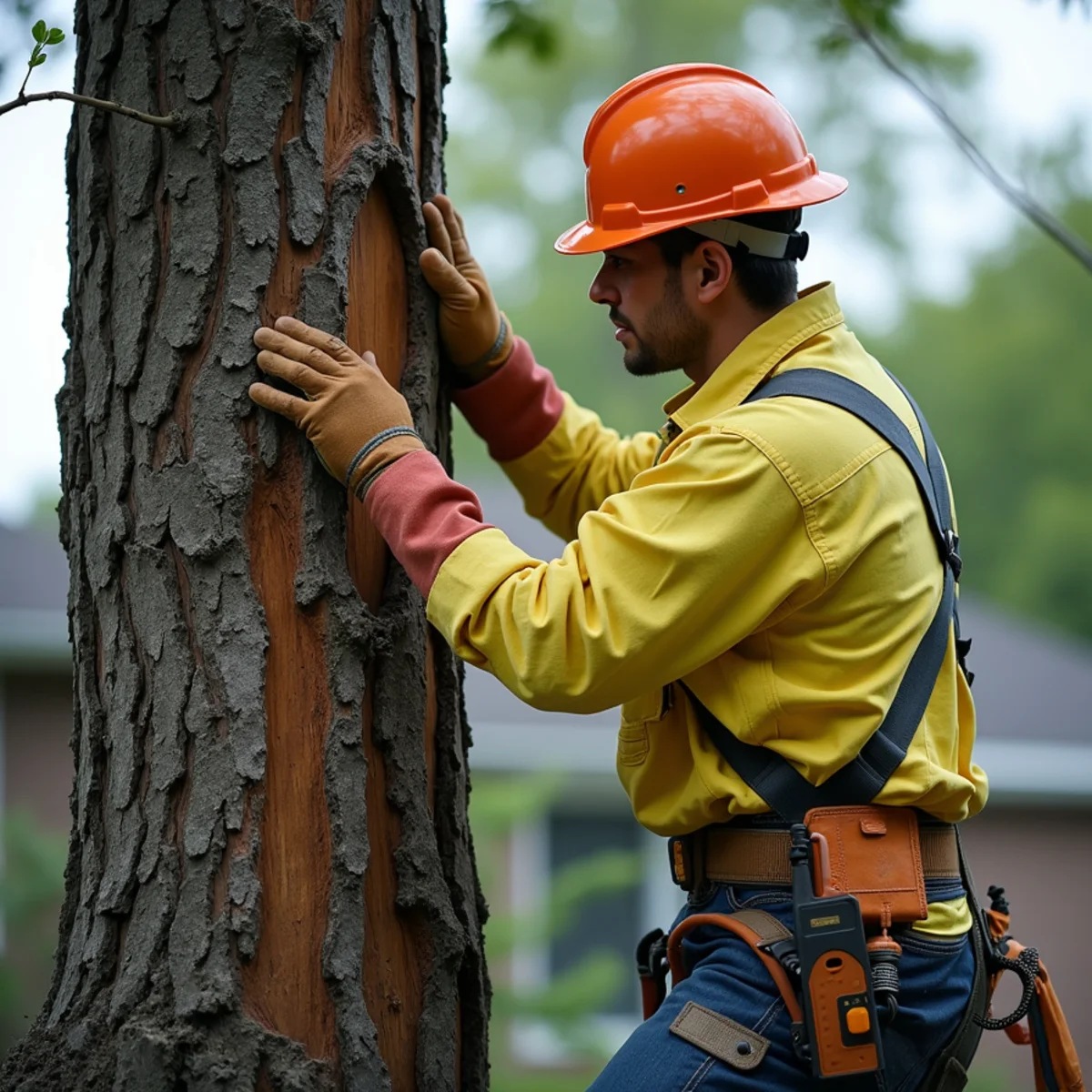
Bark tearing and scaffold limb loss also dictate long-term survival prospects. When heavy boughs rip away during high winds rather than breaking cleanly, they often peel large strips of bark down the main trunk, exposing the vulnerable vascular cambium and sapwood. Large open wounds exceeding one-third of the trunk's circumference cannot compartmentalize effectively in Midwestern climates, creating open entryways for wood-boring insects and destructive fungi like Ganoderma and Hypoxylon. Peeling bark wounds that expose substantial sapwood areas invite wood-boring insects and wood-decay fungi, accelerating internal structural decay in Central Illinois climates.
Restorative Pruning vs. Immediate Hazard Removal
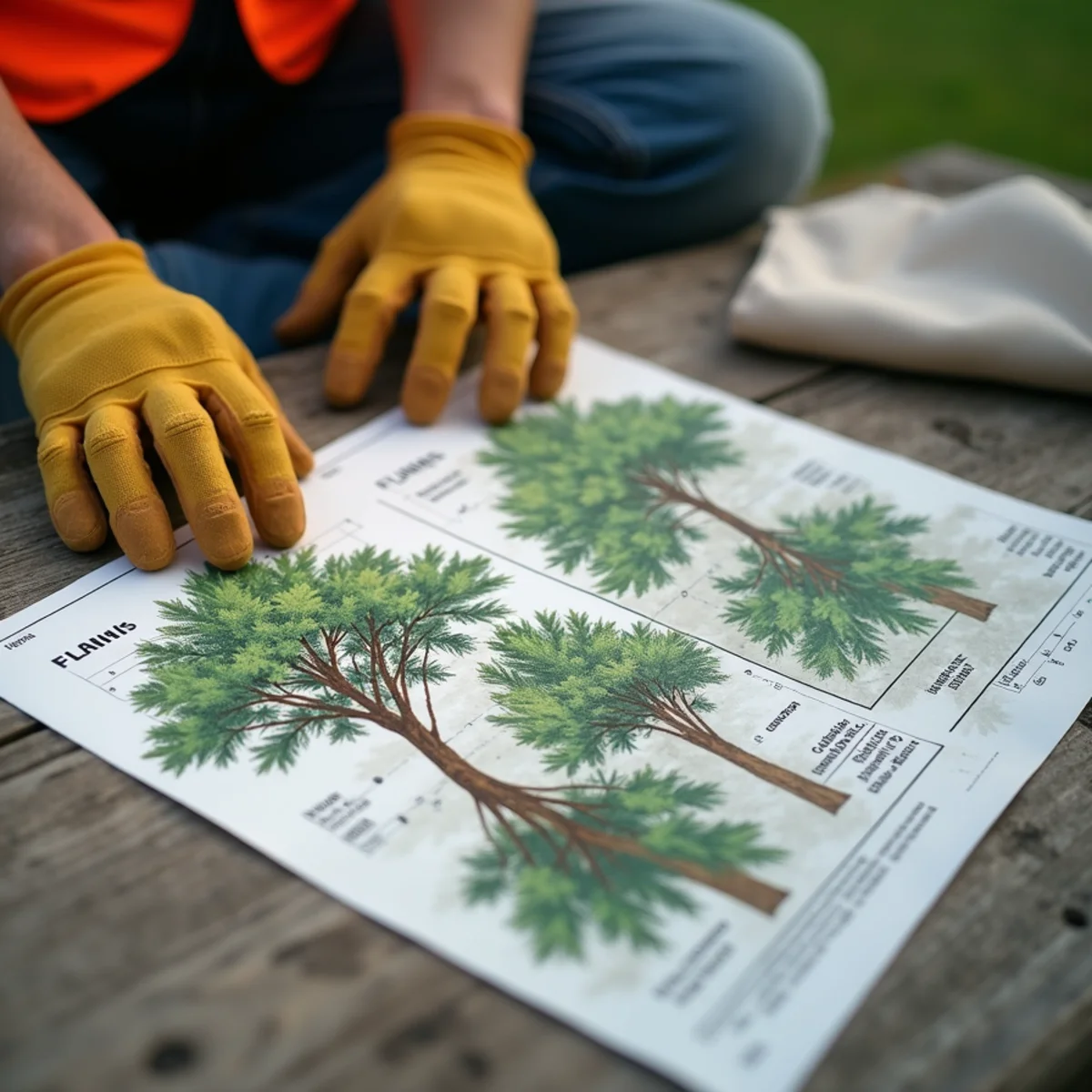
Tree species plays a monumental role in post-storm recovery capacity. Native Midwestern hardwoods like white oak, bur oak, and bald cypress feature strong, dense wood fibers and exceptional compartmentalization mechanisms, often allowing them to recover from moderate storm damage with proper pruning. Conversely, fast-growing, weak-wooded species—such as silver maples, Bradford callery pears, and boxelders—frequently develop weak, poorly attached water sprouts that break off easily in subsequent storms, making long-term preservation impractical. Strong-wooded native hardwoods like bur oaks and white oaks demonstrate superior wound compartmentalization, whereas fast-growing silver maples frequently rot rapidly.
Hidden Internal Decay: When Storms Expose Pre-Existing Rot
Restorative pruning is the professional arboricultural solution for salvageable trees. Instead of aggressively topping the tree—which ruins its natural architecture and promotes dangerous decay—a certified arborist performs methodical crown restoration over two to three successive growing seasons. This involves smoothing torn branch stubs back to healthy branch collars, thinning clustered epicormic sprouts, and balancing canopy weight to reduce wind drag. Certified arborists utilize restorative pruning over several growing seasons, systematically thinning water sprouts and balancing canopy weight to rebuild structural integrity.
Target Potential: What Sits Beneath the Damaged Canopy?
Finally, tree risk assessment is always a function of 'target potential.' A severely storm-damaged pin oak standing in an isolated pasture poses minimal risk to human life or property, allowing the homeowner to leave it as valuable wildlife habitat. However, that exact same tree leaning over a bedroom, a children's playset, or a neighbor's driveway presents an unacceptable liability threshold that requires immediate, controlled takedown. A damaged tree in an open rural field presents minimal risk, whereas an identical specimen overhanging a bedroom or driveway demands prompt removal.
Frequently Asked Questions on Saving Storm-Damaged Trees
Consulting an experienced local arborist ensures you make an objective, science-based decision rather than relying on guesswork. Our certified arborists provide thorough on-site hazard inspections across Sangamon County, evaluating internal wood soundness with sounding mallets to give you an honest recommendation on whether preservation or removal is the safest path forward. An ISA Certified Arborist utilizes visual assessment and sounding mallets to determine whether structural preservation or safe takedown is the best course of action.
Frequently Asked Questions on Saving Storm-Damaged Trees
It depends on tree species, age, and overall vitality. While vigorous younger trees can sometimes rebuild canopy through restorative pruning, mature hardwoods losing over 50% of crown often decline and become hazardous.