The Underground Aftermath: Severing the Tree's Life Support System
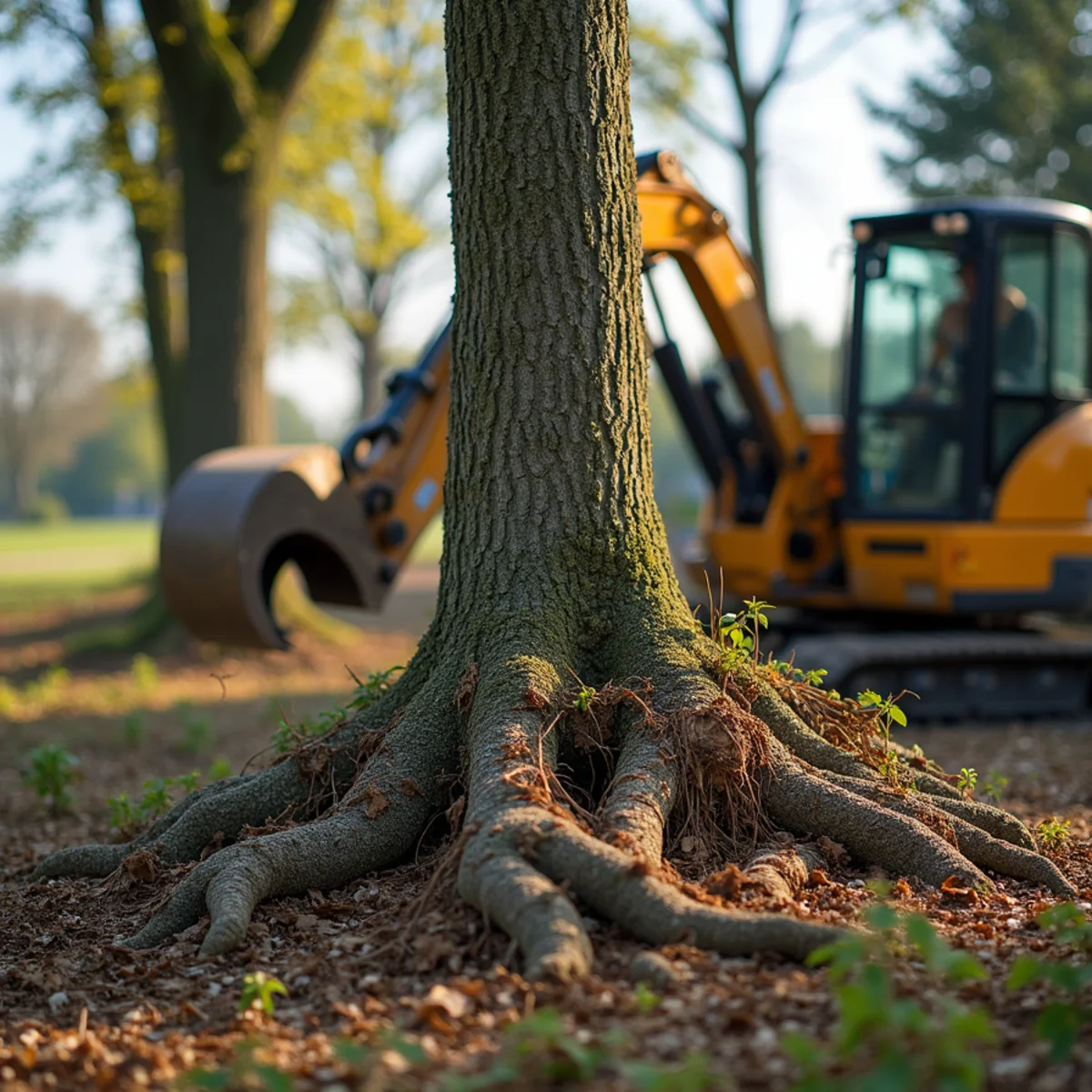
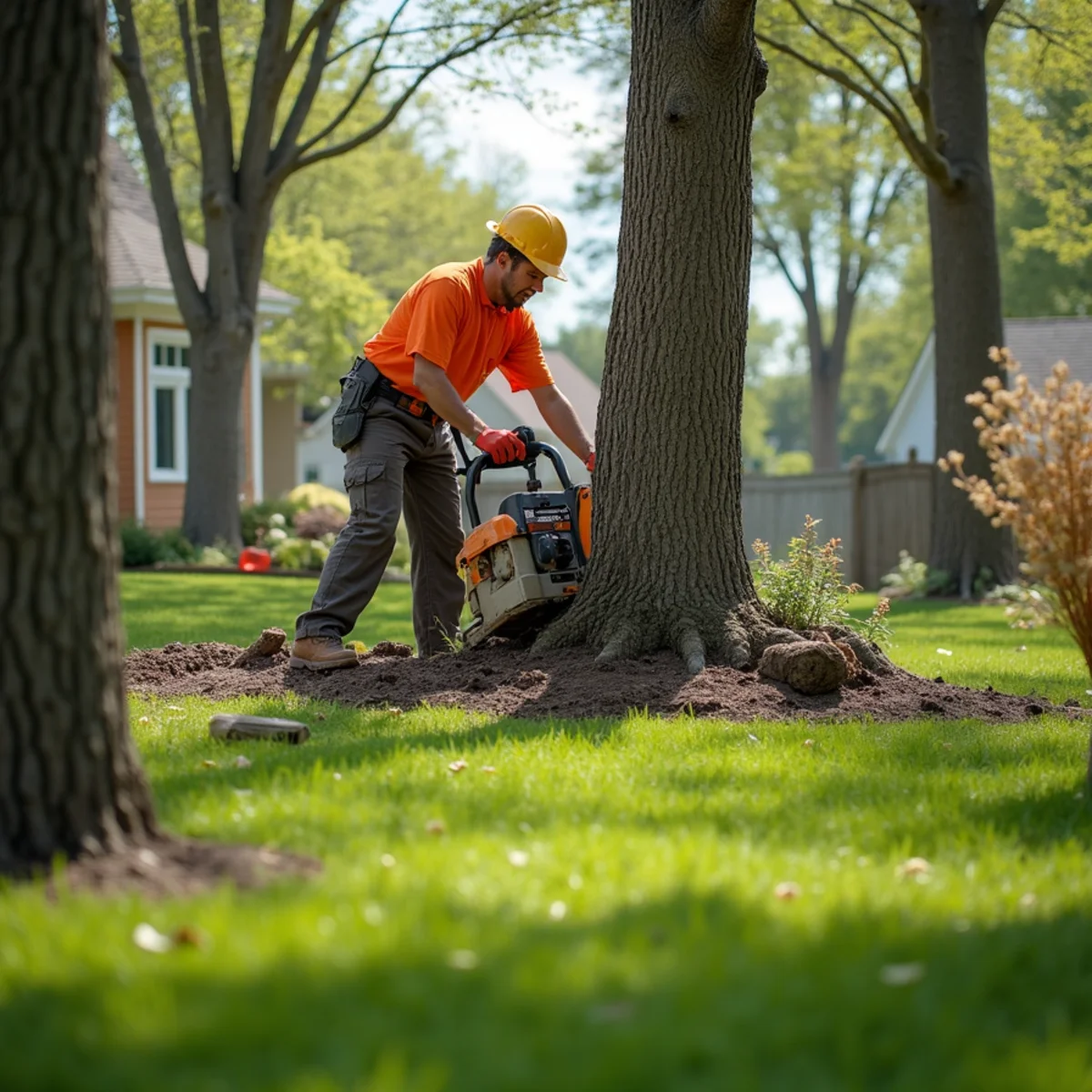
When an unsightly tree stump is ground out 8 to 14 inches below your lawn surface, the visible wood vanishes, leaving a neat mound of wood chips and soil. However, many property owners across Springfield, Chatham, and Sangamon County wonder what is happening beneath the turf. A mature hardwood can have a subterranean root network that extends two to three times the width of its canopy, with hundreds of feet of lateral roots branching through the soil. Understanding the post-grinding biological cycle helps you manage your lawn and garden successfully. When a tree stump is ground out below grade, the extensive underground root network is permanently severed from its photosynthetic source of energy.
The Biology of Root Decomposition: Fungi, Bacteria and Soil Microbes
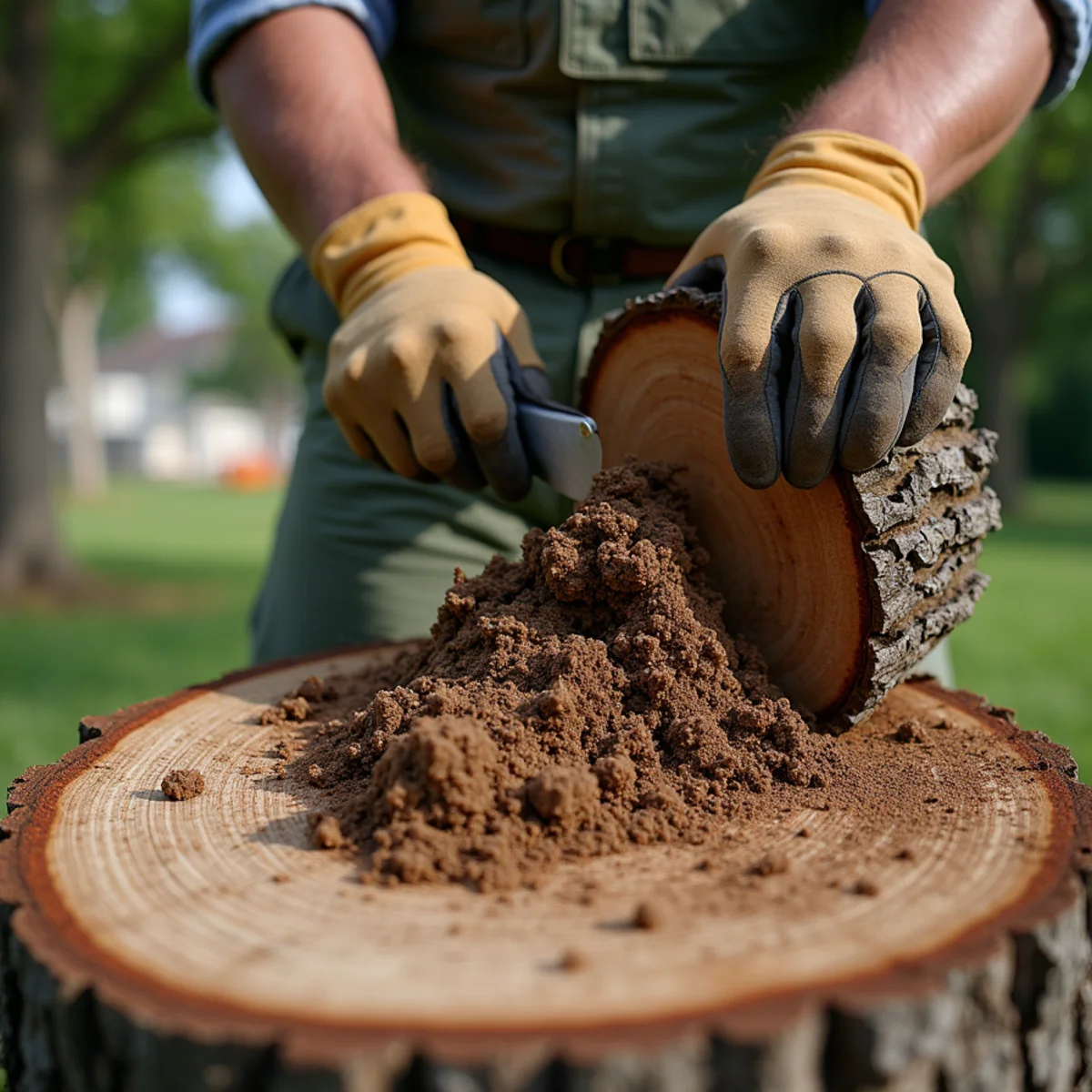
The moment our commercial stump grinder mills out the root flare and primary stump core, the underground root system is completely severed from its source of photosynthesis. A tree's roots cannot produce their own carbohydrates; they depend entirely on sugars transported downward from green leaves through the inner bark phloem. Without foliage, the remaining subterranean roots can no longer absorb water or fuel cell division, bringing growth to an immediate and permanent halt. Without green foliage to produce carbohydrates, the subterranean root system immediately ceases growth and begins a natural biological decomposition cycle.
Need Professional Advice for Your Trees?
Call our local dispatch desk at (858) 780-5212. We provide prompt on-site evaluations across Springfield and Sangamon County.
Will Remaining Tree Roots Keep Growing or Damage Foundations?
With metabolic activity stopped, natural biological decomposition begins. In Central Illinois illite clay and rich prairie loam soils, billions of saprophytic soil microbes, beneficial bacteria, and wood-decay fungi immediately colonize the dead root tissue. These organisms secrete specialized enzymes that break down tough structural lignin and cellulose, slowly converting wood fibers into nutrient-rich organic humus over a period of three to seven years, depending on root caliper and wood density. Indigenous soil microbes, bacteria, and saprophytic fungi in Central Illinois soils actively break down wood lignin and cellulose over several years.
Root Suckering: Species That Try to Resprout and How to Stop Them
Homeowners frequently express anxiety that dead roots might continue expanding or exert hydraulic pressure against basement foundations, sidewalks, or underground sewer pipes. In reality, once severed from the living crown, dead roots lose cellular turgor pressure within days. They begin shriveling and softening rather than expanding. Roots that were previously pressing against a concrete footing will gradually soften into spongy organic matter, eliminating structural threats to home foundations. Severed tree roots lose water pressure rapidly, shriveling into soft organic matter that poses zero threat to foundations, patios, or underground pipes.
The Nitrogen Drawdown Effect in Central Illinois Clay Soils
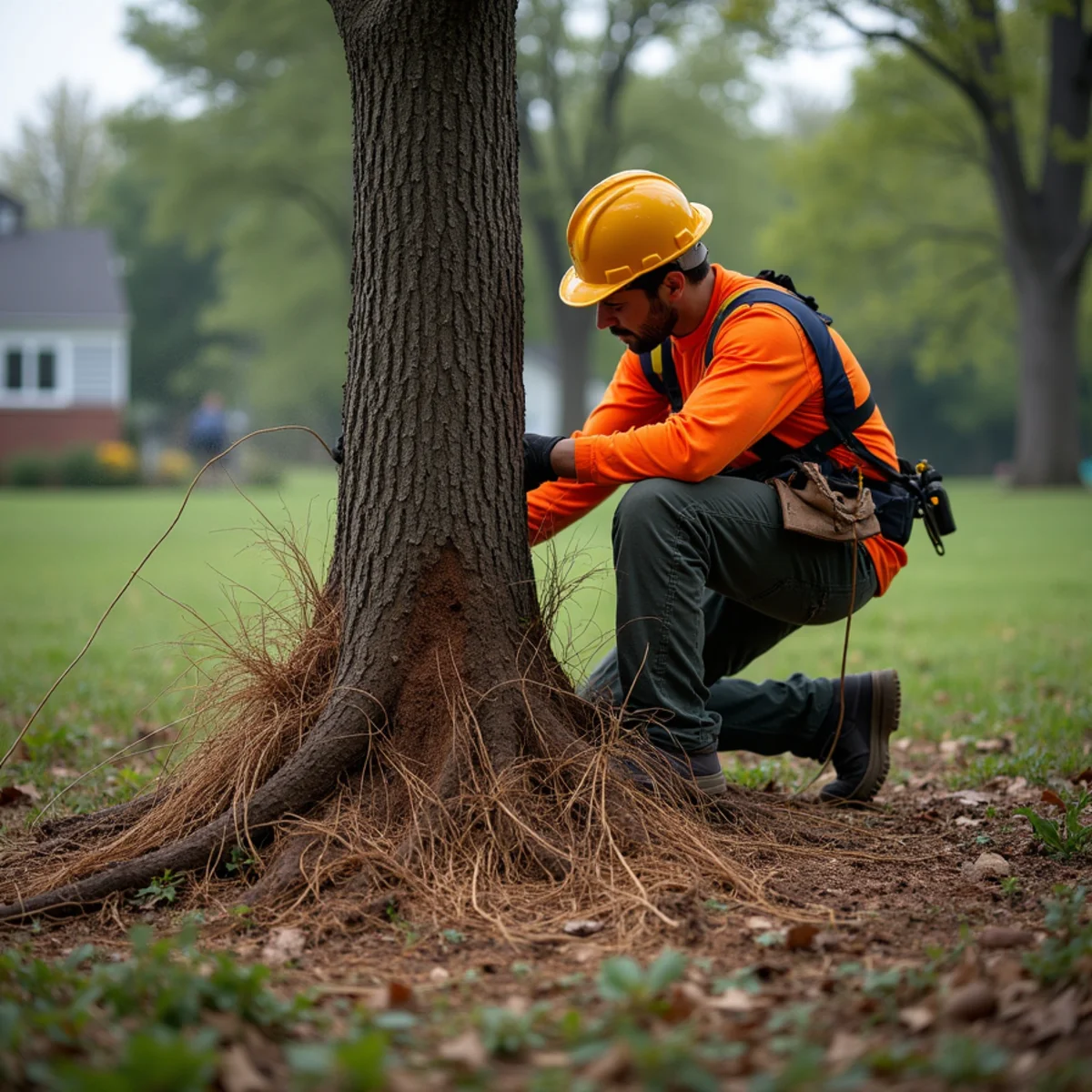
While the roots of most hardwood species—such as oaks, maples, walnuts, and ashes—die cleanly after stump grinding, certain species possess adventitious root buds that can attempt to produce 'root suckers.' Species notorious for root suckering in Central Illinois include black locust, tree-of-heaven (Ailanthus), silver maple, callery pear, and honey locust. If slender green shoots emerge from your turf after grinding, simply mowing them down repeatedly or applying a targeted systemic herbicide will starve the remaining root energy reserves within one season. Species prone to suckering—such as black locust, tree-of-heaven, and silver maple—can be managed with routine mowing or targeted systemic herbicides.
Mushrooms in Your Lawn: Why Fungal Blooms Follow Stump Grinding
Another vital agronomic consideration is the phenomenon of 'nitrogen drawdown' (often called nitrogen immobilization). As soil microorganisms consume the carbon-dense woody root remnants beneath your lawn, they require available nitrogen to fuel their metabolic activity. This process temporarily depletes nitrogen from the surrounding topsoil, which can cause newly planted grass to appear yellowish or stunted. Applying a balanced, slow-release high-nitrogen lawn fertilizer easily counteracts this effect. As soil microbes consume buried woody material, they temporarily deplete soil nitrogen, which can cause newly planted grass to appear pale without fertilizer.
Minor Soil Subsidence: What to Expect as Large Roots Decay
It is also common to see harmless mushrooms or toadstools popping up in your lawn following stump grinding. These fungal fruiting bodies—frequently belonging to saprophytic decomposers like Armillaria, Coprinus, or Agrocybe—are a completely natural indicator that fungi are actively recycling dead root carbon. They do not harm healthy turfgrass and will naturally subside as the buried root system fully degrades into organic soil matter. Harmless mushrooms that appear in your lawn are natural fruiting bodies of beneficial fungi that break down decaying root wood beneath the soil.
Frequently Asked Questions About Roots After Stump Grinding
Over several years, as massive lateral roots rot away, homeowners may notice subtle soil depressions or minor settling lines following the paths of ancient root runs. Simply topdressing these minor settling areas with clean topsoil and overseeding maintains an even, billiard-table-smooth lawn surface. With professional stump grinding, your yard transitions seamlessly back into pristine, healthy turf. Over time, minor soil depressions following old root paths can be easily leveled with light topsoil topdressing, maintaining an even, beautiful lawn.
Frequently Asked Questions About Roots After Stump Grinding
In Central Illinois soils, fine feeder roots rot within one to two years, while large structural lateral roots typically take three to seven years to fully decompose into organic soil matter.