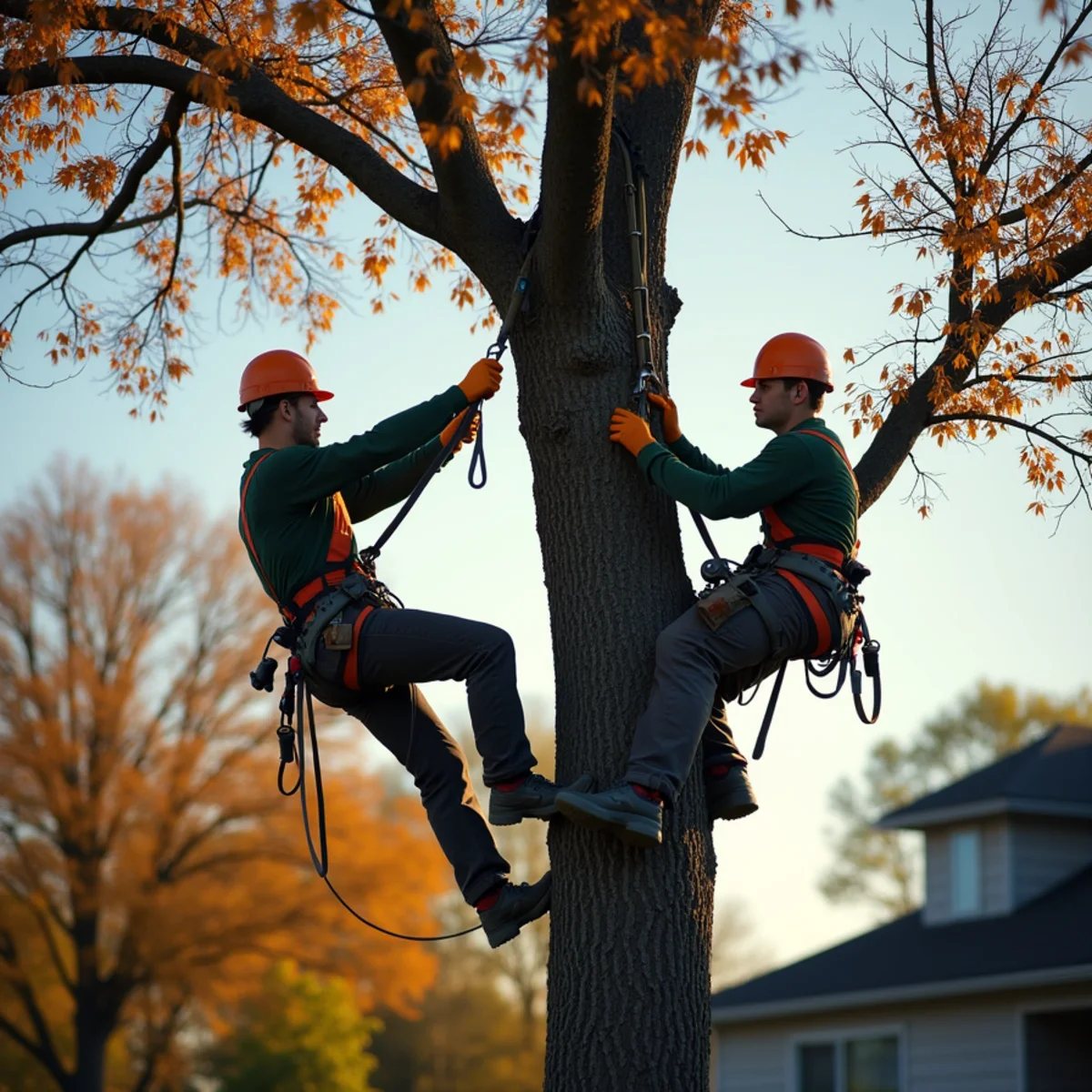
The Arboricultural Calendar: Why Pruning Timing Matters
Pruning is one of the most beneficial maintenance practices for residential trees, improving structural branch strength, increasing sunlight penetration, and eliminating hazardous deadwood. However, in Central Illinois, when you prune is just as important as how you prune. Cutting branches at the wrong time of year can leave trees vulnerable to devastating fungal epidemics, attract destructive insect vectors, and cause severe physiological stress. Following a science-based arboricultural pruning calendar keeps your trees vibrant and secure. Understanding arboricultural timing ensures that pruning enhances tree health and structure without exposing trees to seasonal diseases or pests.
The Oak Wilt Moratorium: Why You Must Never Prune Oaks in Spring or Summer
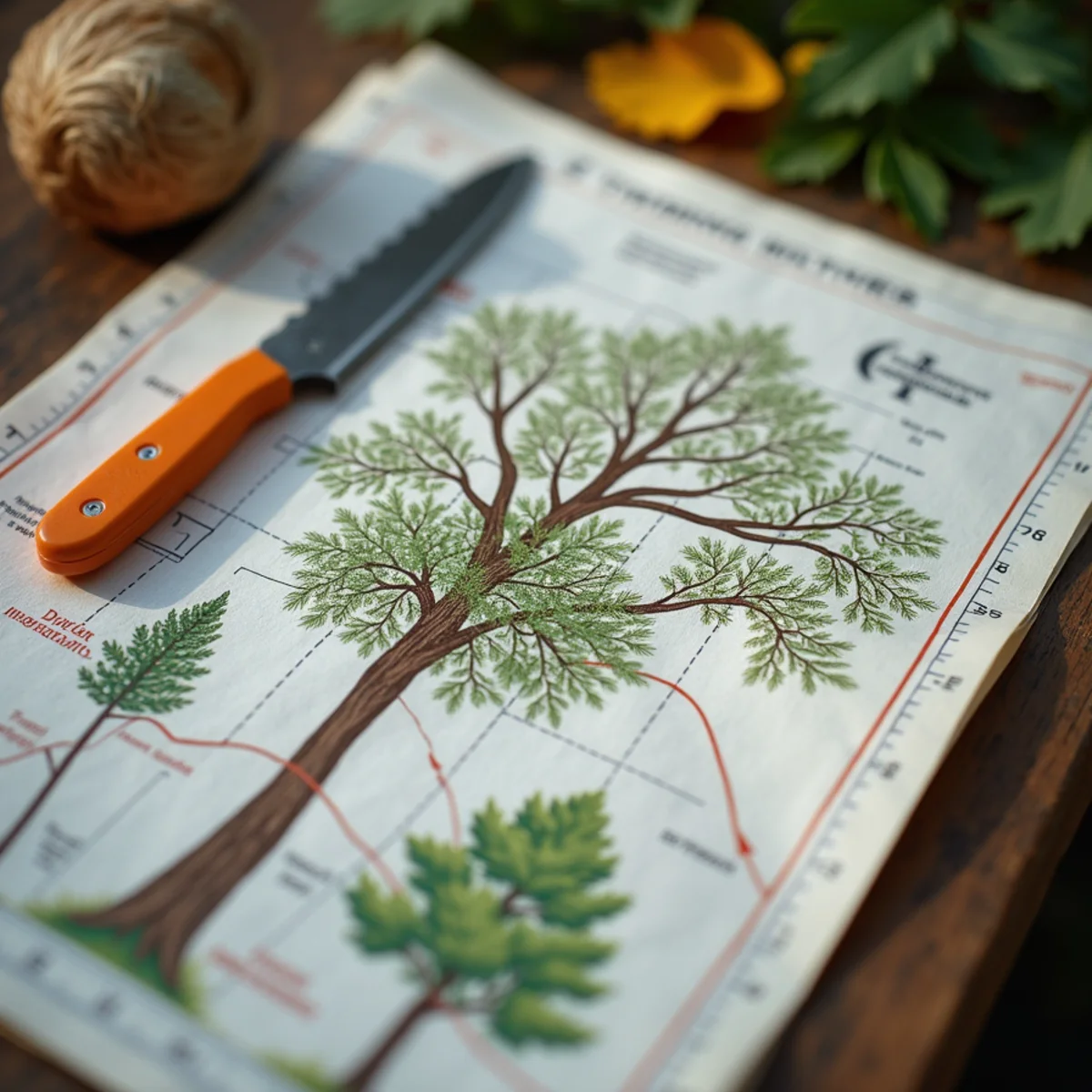
The most critical seasonal rule for Central Illinois tree care is the strict moratorium on pruning oak trees during the spring and early summer. Oak Wilt (caused by the fungal pathogen Ceratocystis fagacearum) is a lethal vascular disease that can kill a mature red oak within weeks of infection. The fungus is transmitted primarily by tiny sap-feeding nitidulid beetles (commonly known as picnic beetles). When oaks are pruned between April 1 and July 15, fresh sap wounds attract these beetles from miles away, inoculating the tree with fungal spores. In Illinois, oak pruning must strictly wait until late autumn or winter dormancy. Pruning oaks between April 1 and July 15 attracts sap-feeding nitidulid beetles carrying the lethal Oak Wilt fungus, which can kill a red oak in weeks.
Need Professional Advice for Your Trees?
Call our local dispatch desk at (858) 780-5212. We provide prompt on-site evaluations across Springfield and Sangamon County.
Dormant Season Pruning: The Gold Standard for Hardwood Health
For the vast majority of deciduous shade trees in Sangamon County, late winter dormancy—from December through early March—represents the gold standard pruning window. While trees are dormant, their metabolic processes are slowed, and deciduous foliage has dropped, giving arborists an unobstructed view of branch architecture. Pruning during dormancy allows cuts to begin healing immediately as spring cambial cell division begins, while fungal spores and insect pests remain completely inactive in cold temperatures. Late winter dormancy is the optimal pruning window for Central Illinois hardwoods, allowing cuts to heal quickly as spring cambial division begins.
Managing 'Bleeder' Trees: Maples, Birches and Walnuts Explained
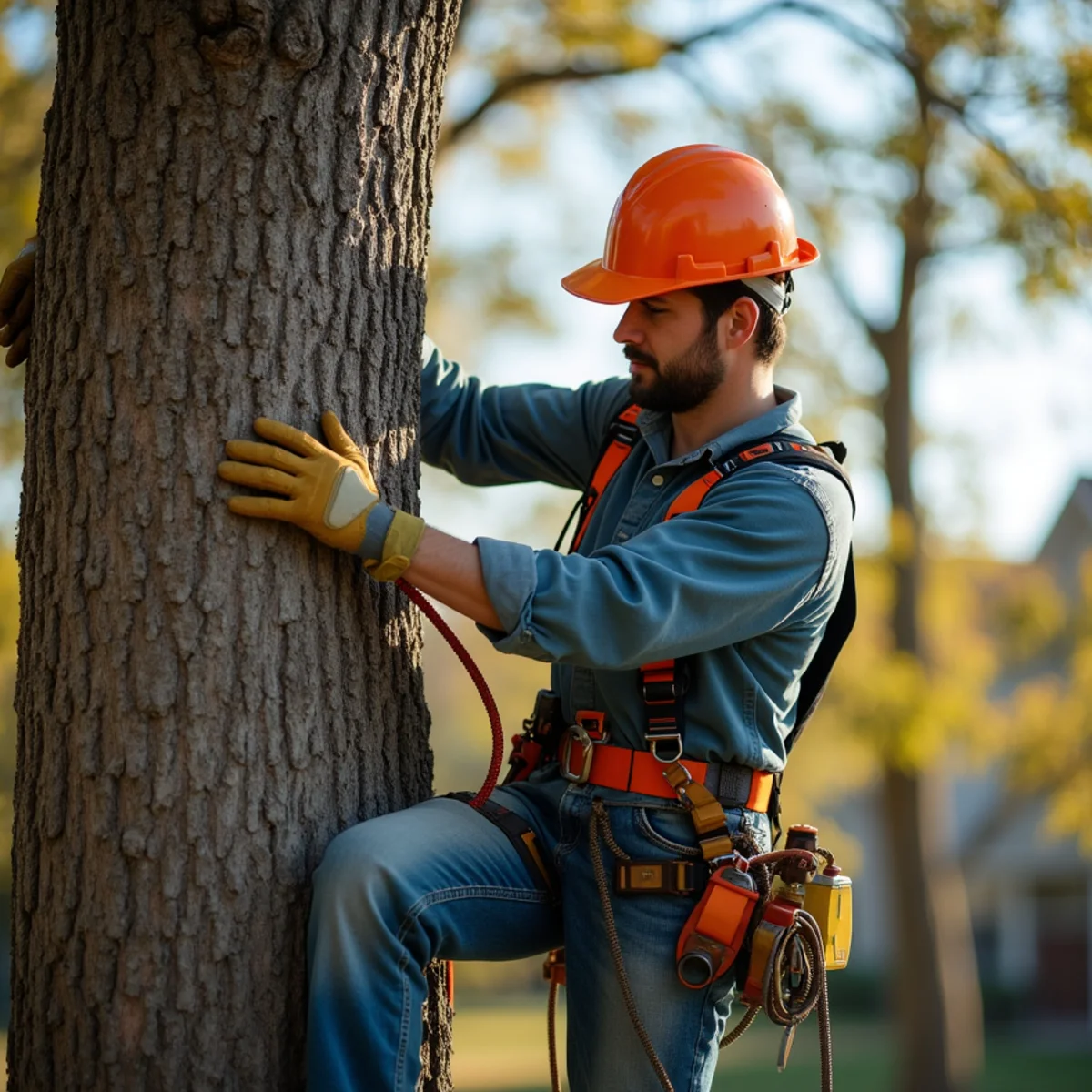
Homeowners are frequently alarmed when late winter pruning cuts on maples, river birches, and black walnuts begin heavily 'bleeding' clear fluid as temperatures warm in February and March. This sap flow is driven by positive root pressure as trees transport stored starches upward into swelling leaf buds. While sap bleeding can be visually concerning, it is completely harmless to the tree's health and does not cause dehydration. To avoid sap drip on parked cars or patios, maples can also be pruned in mid-summer after foliage has fully matured. Spring sap flow on maples, birches, and walnuts is harmless positive root pressure, but pruning in mid-summer prevents messy sap drip on driveways.
When Is Summer Pruning Appropriate in Central Illinois?
While dormant pruning is ideal for structural shaping and crown thinning, summer pruning has specific, valuable applications. Pruning in July or August is effective for slowing the growth of overly vigorous limbs, removing water sprouts, and thinning dense canopies to improve airflow. For spring-flowering ornamentals—such as redbuds, crabapples, and serviceberries—pruning immediately after their floral display finishes in late spring preserves next year's flower buds while shaping the crown. Selective summer pruning is effective for removing water sprouts, thinning dense canopies, and shaping spring-flowering trees after their floral display.
Deadwood Removal: The Any-Time-of-Year Exception
There is one important exception to all seasonal pruning restrictions: hazardous deadwood, fractured limbs, and storm-broken boughs can and should be removed immediately, regardless of the time of year. Dead wood contains no living vascular tissues, so removing a dead limb produces no open wound on the trunk. Eliminating hanging widowmakers protects family members and property from sudden failure. Broken, cracked, and hazardous deadwood can be removed at any time of year without violating seasonal biological pruning guidelines.
Why Tree 'Topping' Is Destructive and Never Recommended
A critical warning for every Illinois property owner is never to allow a contractor to 'top' your trees. Topping—the indiscriminate lopping off of mature canopy limbs to leave large, flat stubs—destroys the tree's natural architecture, removes its energy-producing crown, and introduces massive decay columns into the main branches. In response, the tree rapidly produces dozens of weakly attached epicormic shoots that blow off easily in moderate winds, creating far greater hazards. Professional arborists always practice crown reduction to healthy lateral branches. Tree topping is destructive, creating massive decay wounds and weakly attached epicormic suckers that blow off easily in moderate winds.
Frequently Asked Questions on Tree Trimming in Central Illinois
Partnering with an ISA Certified Arborist ensures your trees are trimmed according to ANSI A300 standards, respecting biological wound compartmentalization (CODIT). Our pruning specialists at On The Grind understand the unique timing requirements of native Central Illinois tree species, providing precision care that safeguards your landscape investment for decades. Proper branch collar cuts respect the tree's natural branch protection zone, promoting rapid compartmentalization and lasting structural strength.
Frequently Asked Questions on Tree Trimming in Central Illinois
Pruning oaks in May attracts sap-feeding nitidulid beetles carrying lethal Oak Wilt fungal spores, which can infect and kill a red oak within four to six weeks. Never prune oaks between April 1 and July 15.